
Frontier Queue
Custom web application development
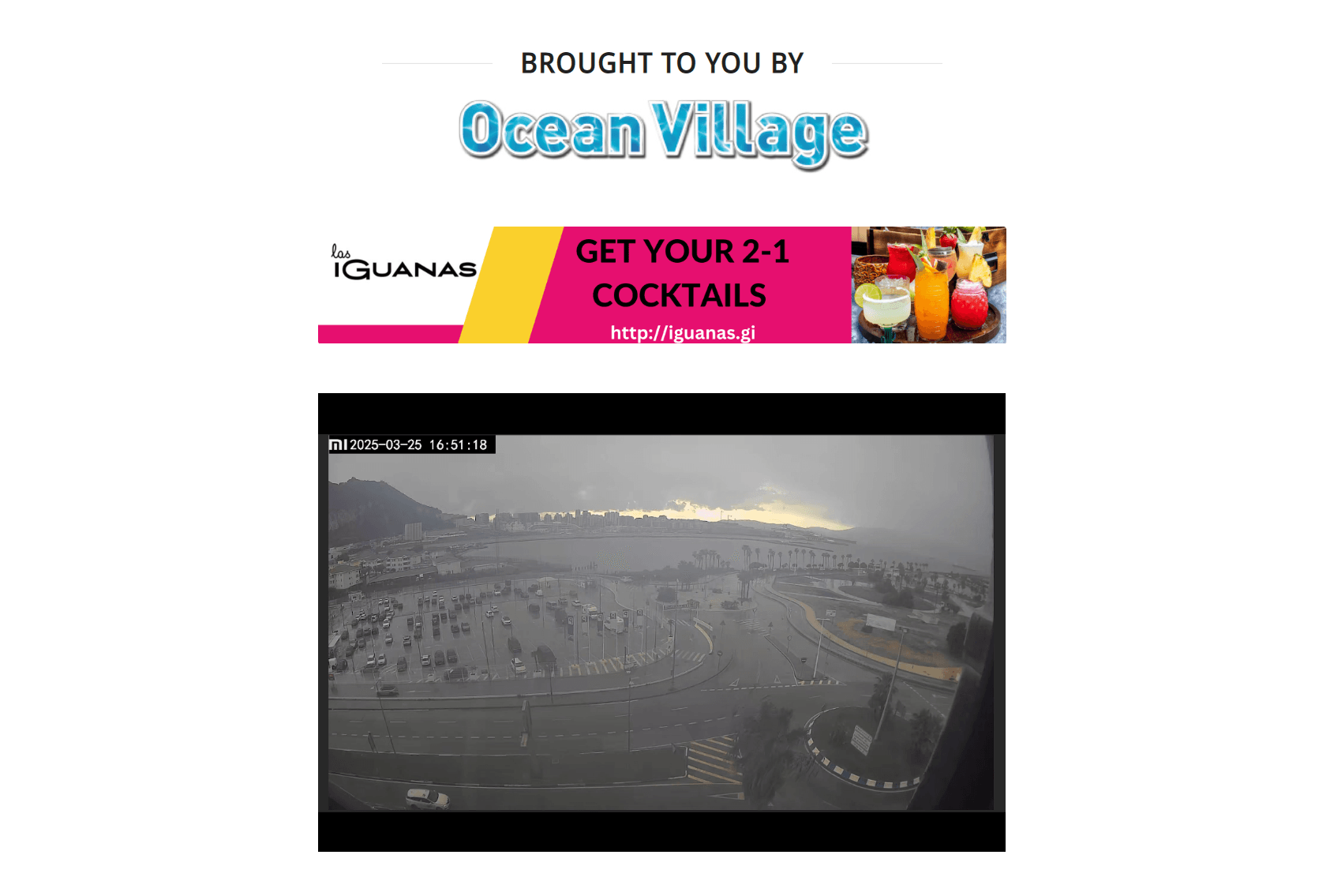
A traffic-camera website designed to help people check conditions at the Gibraltar–Spain frontier from a phone, tablet or desktop.
- Client / project
- Frontier Queue
- Sector / location
- Live information · Gibraltar
- Focus
- Custom web application development
The Brief.
For someone planning a border crossing, the useful part of the website is the camera view. The project focused on making that information straightforward to reach and easy to read on smaller screens.
The Approach.
A simple page structure keeps the live camera area central to the experience. The original project record describes a responsive interface and the technical work needed to connect video and status feeds, while keeping the page lightweight.
Camera-First Layout
The interface gives the traffic view a prominent place, with supporting information arranged around it.
Responsive Presentation
The layout was designed for quick checks on mobile as well as viewing on larger screens.
Live-Feed Connection
The project connected the website interface with camera and traffic-status feeds.
Practical Performance
Page weight, loading behaviour and a clear information hierarchy were part of the delivery brief.
What Was Delivered.
The delivered platform gives users a direct route to the camera information. This case study describes the website project and its archived interface; the screenshot is not a live traffic report and does not show current border conditions.
Why This Matters For Your Business
A utility website is valuable when it helps someone complete a task quickly. Frontier Queue puts the camera information ahead of decorative content, a relevant approach for transport, weather and other status-driven services. A new live-information project should define feed availability, update intervals, loading states and what users see when a data source is unavailable.
Plan A Live-Information Application
Tell us what people need to check and where the information comes from. We can scope the interface, data connections and failure states around the real task.
This case study draws on the original project portfolio and archived website imagery.